We use cookies to ensure our site functions properly and to store limited information about your usage. You may give or withdraw consent at any time. To find out more, read our privacy policy and cookie policy.
Manage Cookies
A cookie is information stored on your computer by a website you visit. Cookies often store your settings for a website, such as your preferred language or location. This allows the site to present you with information customized to fit your needs. As per the GDPR law, companies need to get your explicit approval to collect your data. Some of these cookies are ‘strictly necessary’ to provide the basic functions of the website and can not be turned off, while others if present, have the option of being turned off. Learn more about our Privacy and Cookie policies. These can be managed also from our cookie policy page.
Strictly necessary cookies(always on):
Necessary for enabling core functionality. The website cannot function properly without these cookies. This cannot be turned off. e.g. Sign in, Language
Analytics cookies:
Analytical cookies help us to analyse user behaviour, mainly to see if the users are able to find and act on things that they are looking for. They allow us to recognise and count the number of visitors and to see how visitors move around our website when they are using it. Tools used: Google Analytics
12.8 km of fencing installed to protect wildlife habitats
162 bat and dormouse boxes installed
1 beaver enclosure created at Amelia Trust Farm
Community Impact so far...
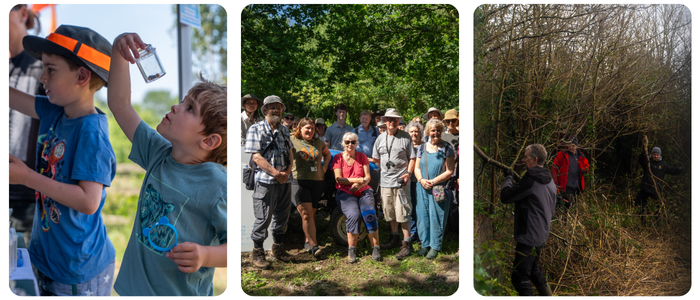
The local community has played a vital role in the project so far. We've worked with volunteers and landowners on habitat management work and species monitoring, and engaged schools across the Vale of Glamorgan to help young people connect with nature:
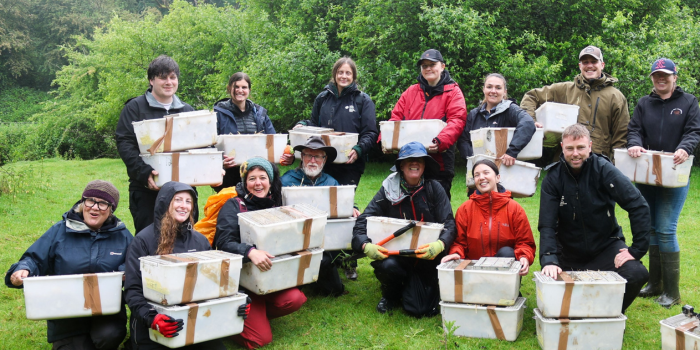
1,106 volunteers involved
100 conservation work parties held
423 volunteers trained in wildlife surveys
6,000+ people engaged through events and activities
1,900 pupils participated in projects
32 schools engaged in projects including Tree Growing projects, River Education Workshops, and Wildlife Storytelling Programmes
Species Recovery & Survey Work...
So far, the project has focused on a range of key species across the catchment, with the aim of helping these species to recover. To find out more about these initiatives, visit our species page. We've carried out a number of surveys and monitoring to guide conservation work, including:
Otter breeding habitat surveys
Wildlife camera monitoring
Adder surveys
Bat monitoring
Hedgerow mapping
River and fisheries assessments
Water quality testing
Smart Rivers invertebrate monitoring
Habitat Work...
Over the last 3 years, we have been working to improve habitats across the catchment to help wildlife thrive. The aim of these projects is to help create connected habitats where wildlife can feed, breed and move safely through the landscape. Habitat work so far has included:
Tree planting, orchard creation and woodland improvement
Hedgerow restoration
Meadow creation and management
River habitat restoration
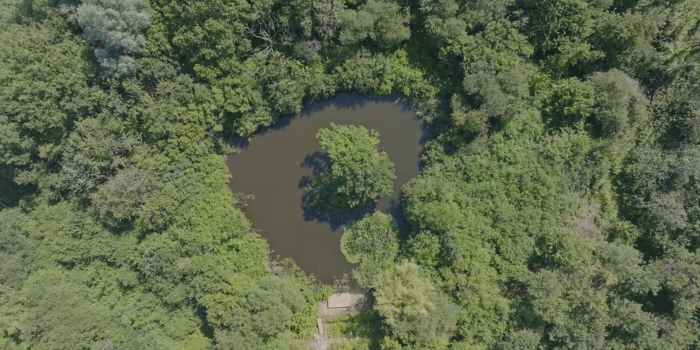
Pond restoration and creation
Invasive species removal
As we now enter the 2nd phase of the project, after successfully securing another 2 years of funding, we have plenty more projects underway. Check out our Species, Habitats and Community pages to find out more about our current projects.
12.8 km of fencing installed to protect wildlife habitats
162 bat and dormouse boxes installed
1 beaver enclosure created at Amelia Trust Farm
Community Impact so far...
The local community has played a vital role in the project so far. We've worked with volunteers and landowners on habitat management work and species monitoring, and engaged schools across the Vale of Glamorgan to help young people connect with nature:
1,106 volunteers involved
100 conservation work parties held
423 volunteers trained in wildlife surveys
6,000+ people engaged through events and activities
1,900 pupils participated in projects
32 schools engaged in projects including Tree Growing projects, River Education Workshops, and Wildlife Storytelling Programmes
Species Recovery & Survey Work...
So far, the project has focused on a range of key species across the catchment, with the aim of helping these species to recover. To find out more about these initiatives, visit our species page. We've carried out a number of surveys and monitoring to guide conservation work, including:
Otter breeding habitat surveys
Wildlife camera monitoring
Adder surveys
Bat monitoring
Hedgerow mapping
River and fisheries assessments
Water quality testing
Smart Rivers invertebrate monitoring
Habitat Work...
Over the last 3 years, we have been working to improve habitats across the catchment to help wildlife thrive. The aim of these projects is to help create connected habitats where wildlife can feed, breed and move safely through the landscape. Habitat work so far has included:
Tree planting, orchard creation and woodland improvement
Hedgerow restoration
Meadow creation and management
River habitat restoration
Pond restoration and creation
Invasive species removal
As we now enter the 2nd phase of the project, after successfully securing another 2 years of funding, we have plenty more projects underway. Check out our Species, Habitats and Community pages to find out more about our current projects.
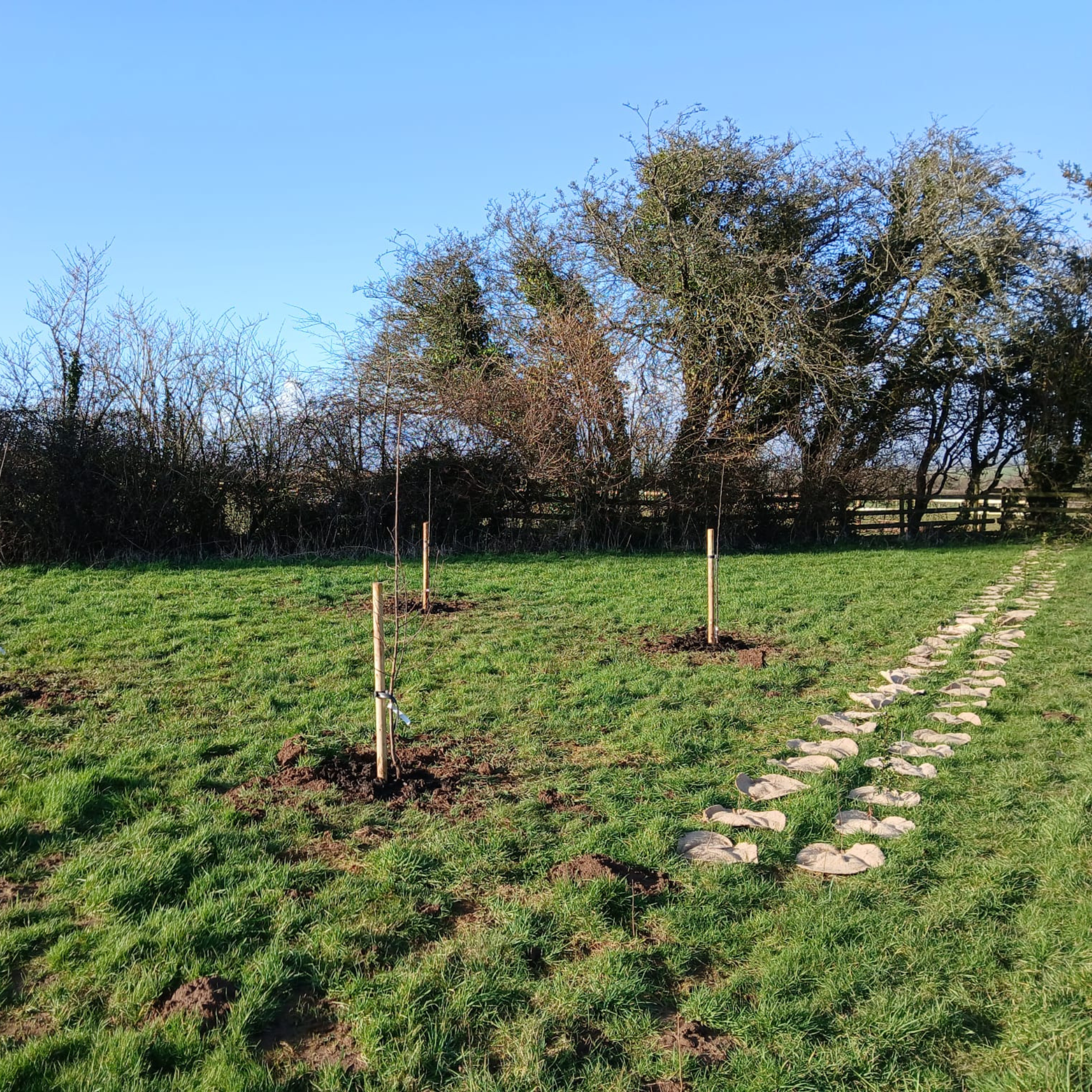 35,126 trees planted at 40 locations
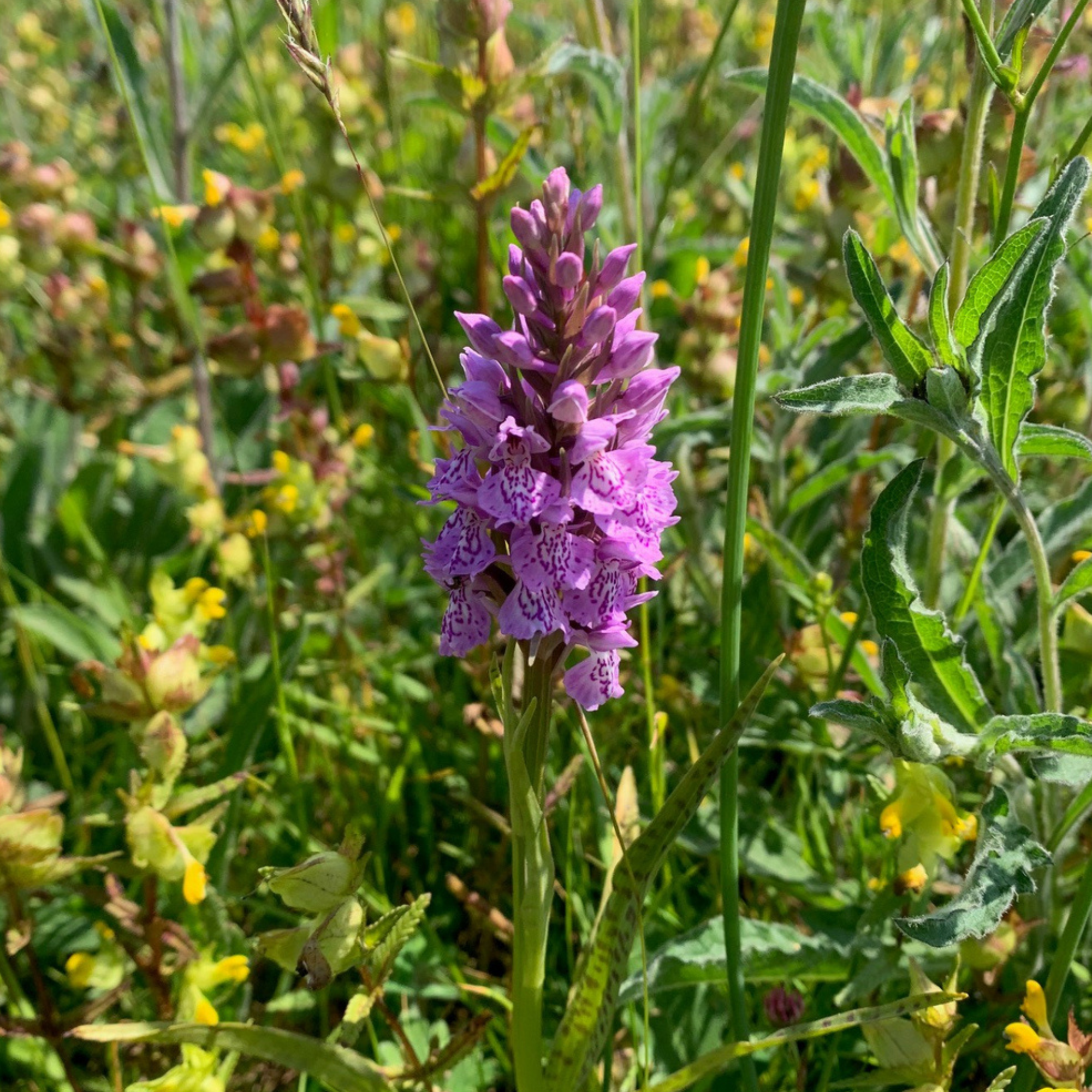 33 hectares of meadow restored or created
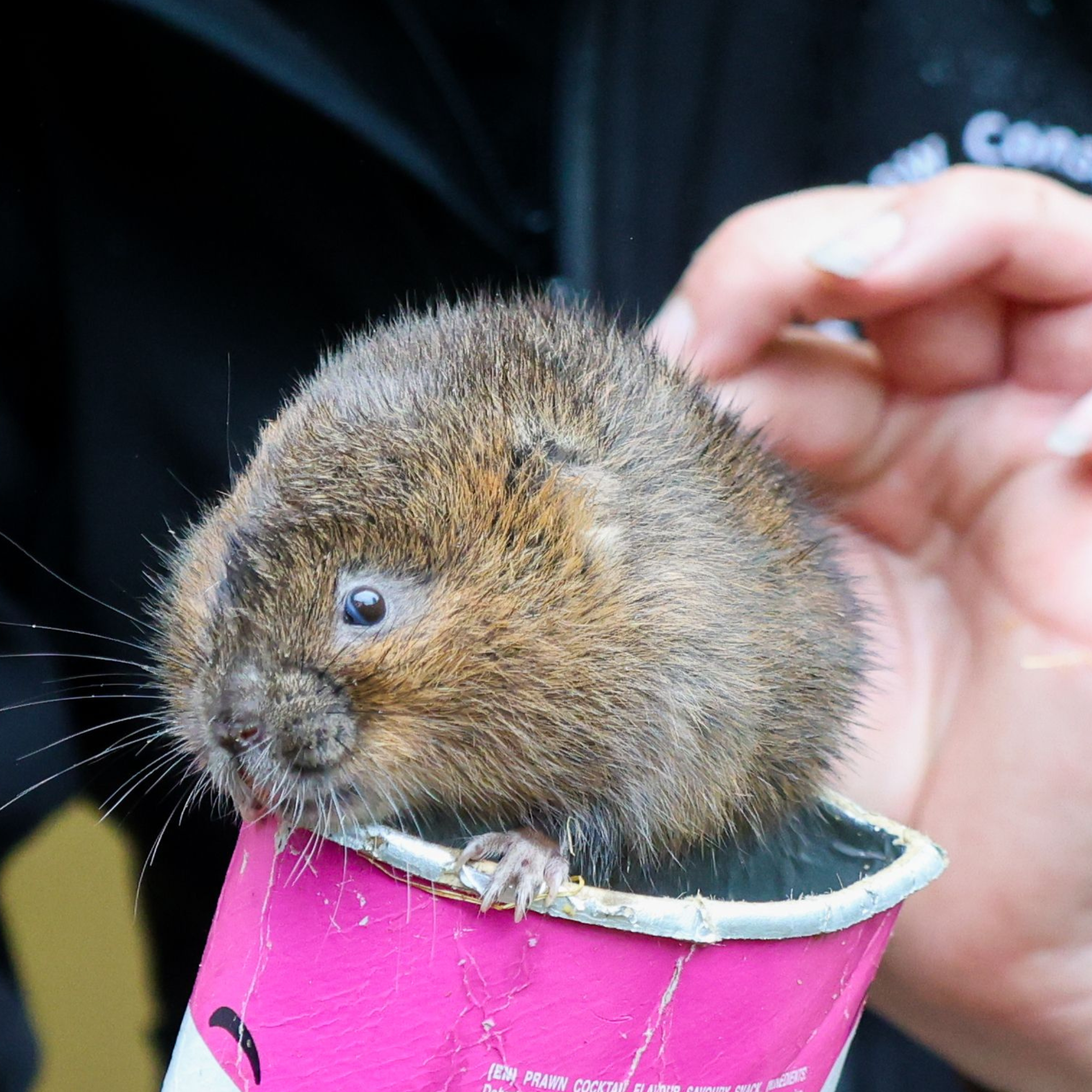 365 water voles reintroduced
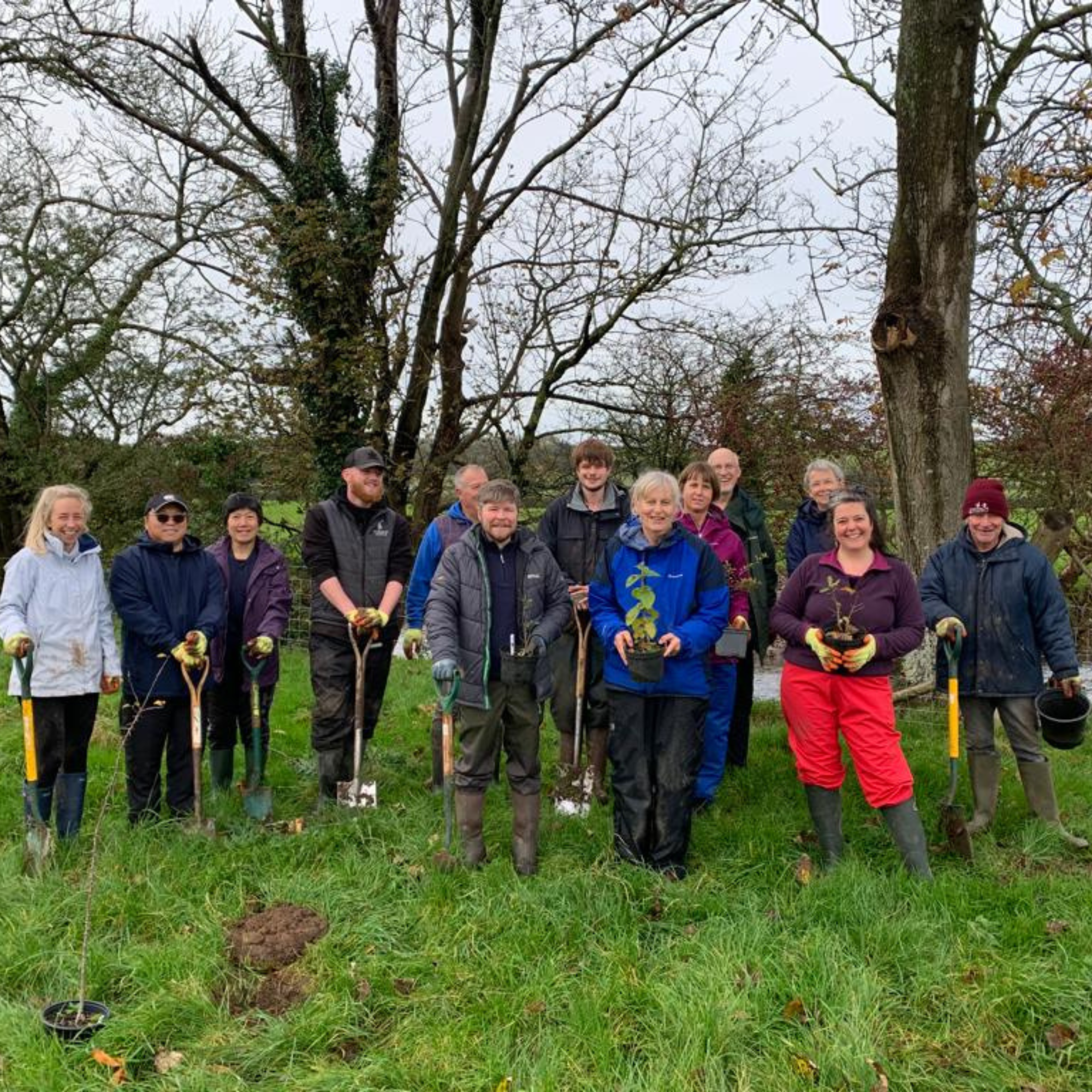 5.4 km of new hedgerows created
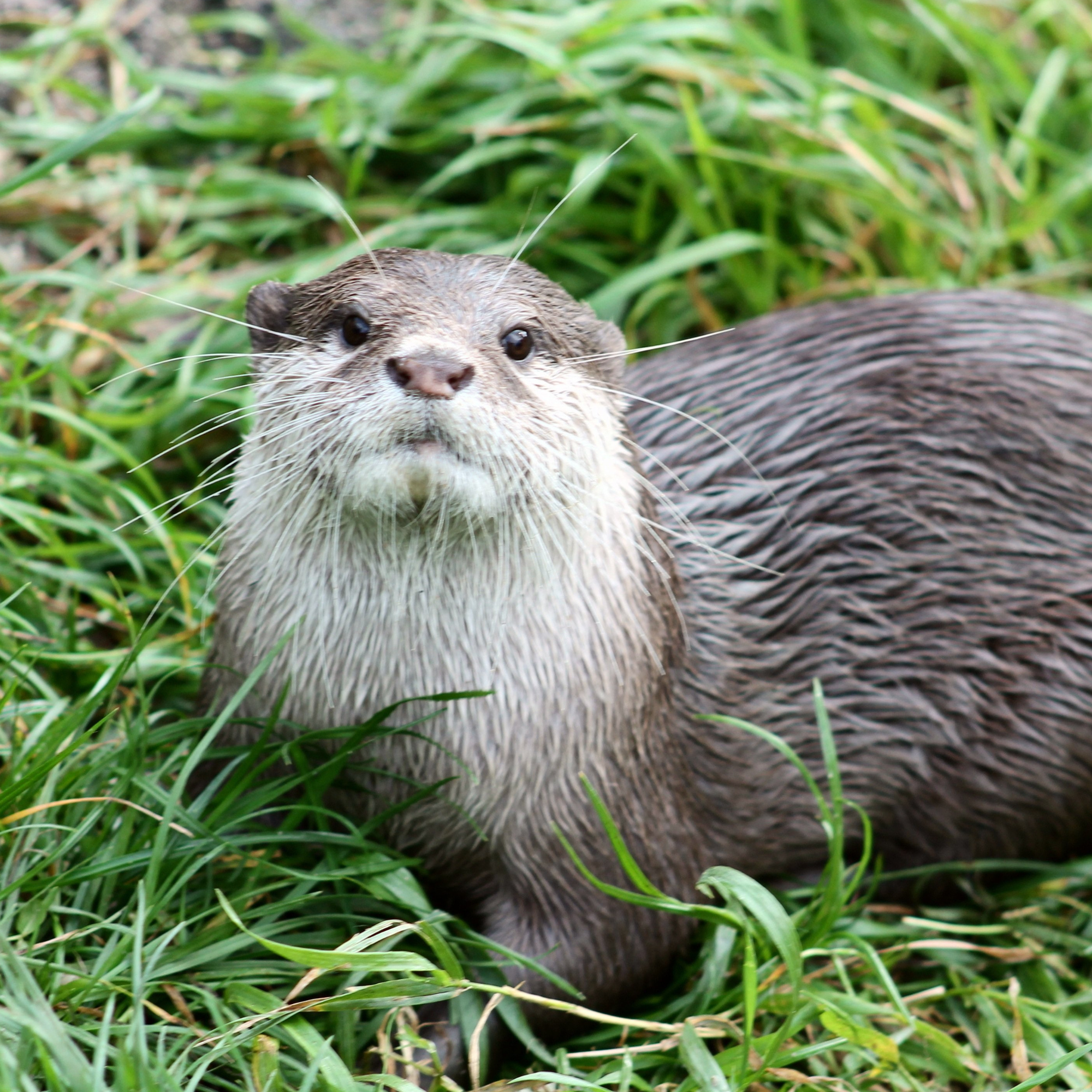 11 artificial otter holts installed
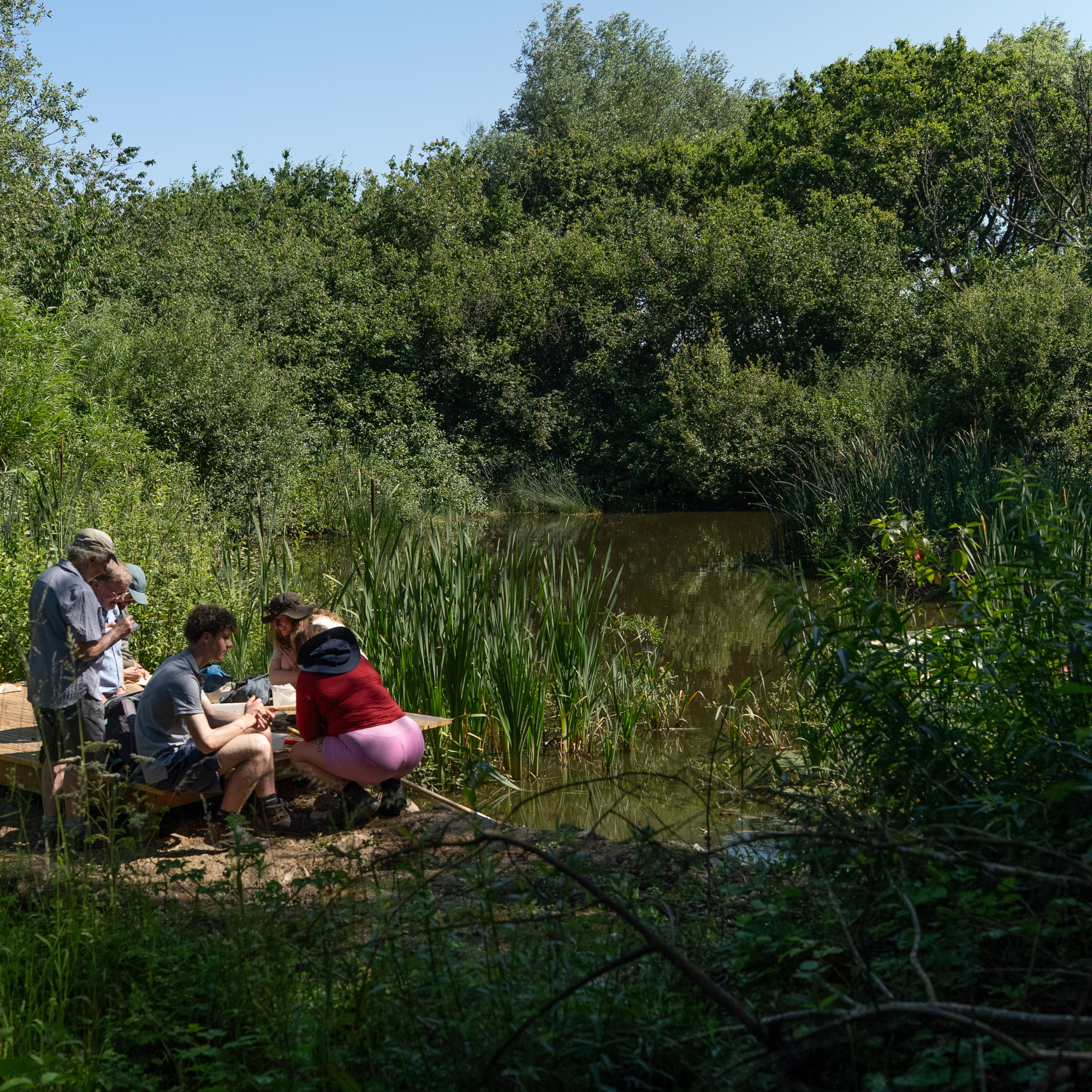 20 ponds restored or created
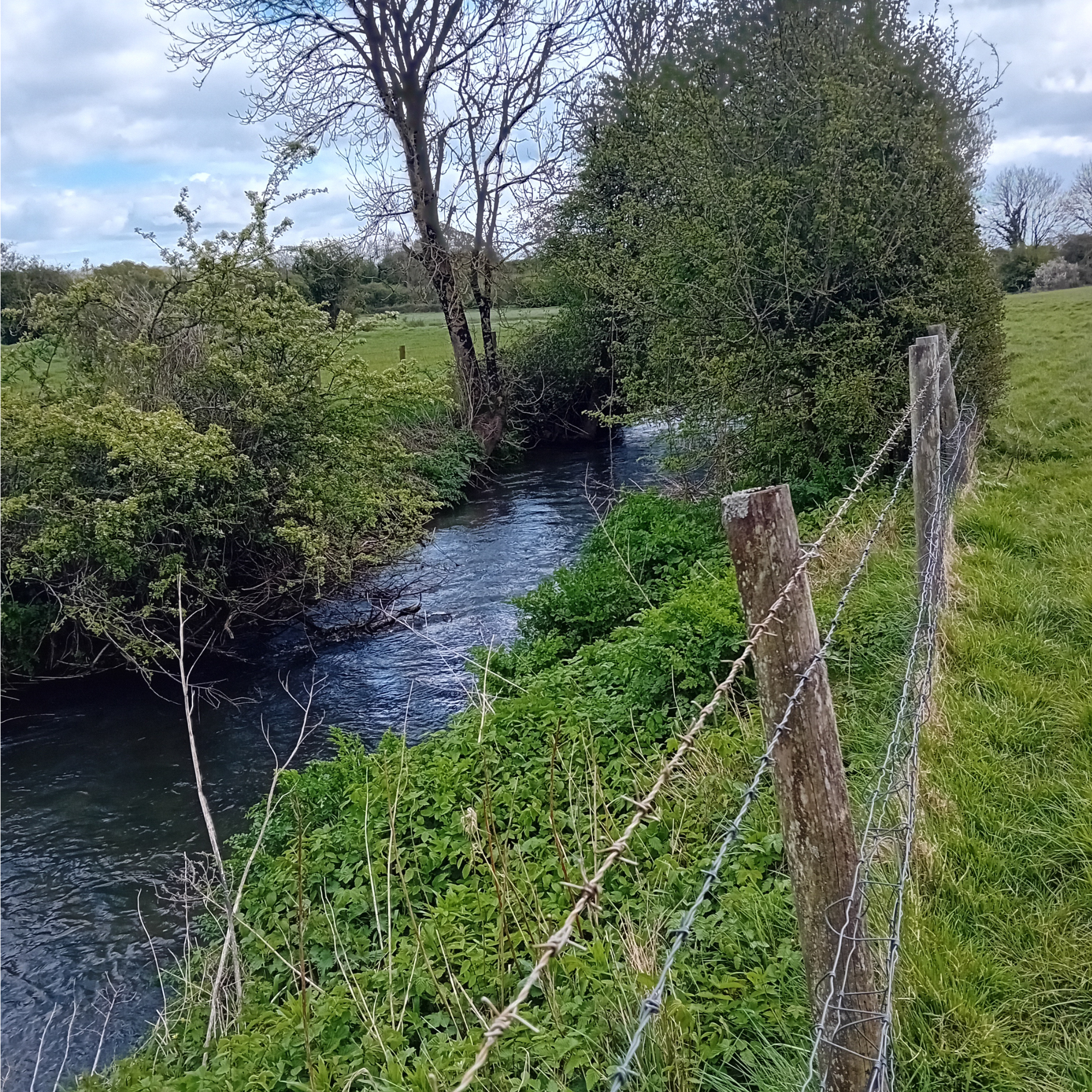 12.8 km of fencing installed to protect wildlife habitats
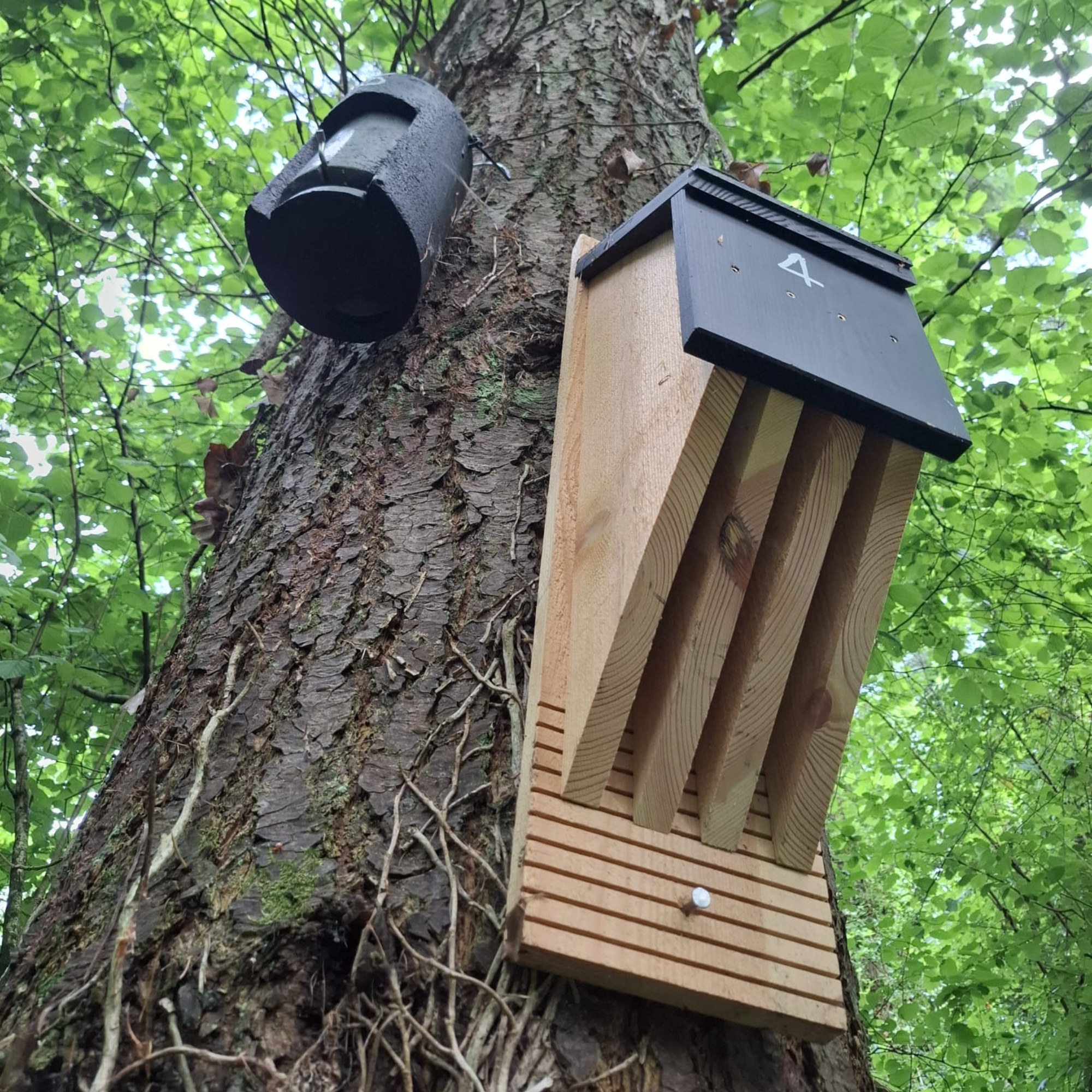 162 bat and dormouse boxes installed
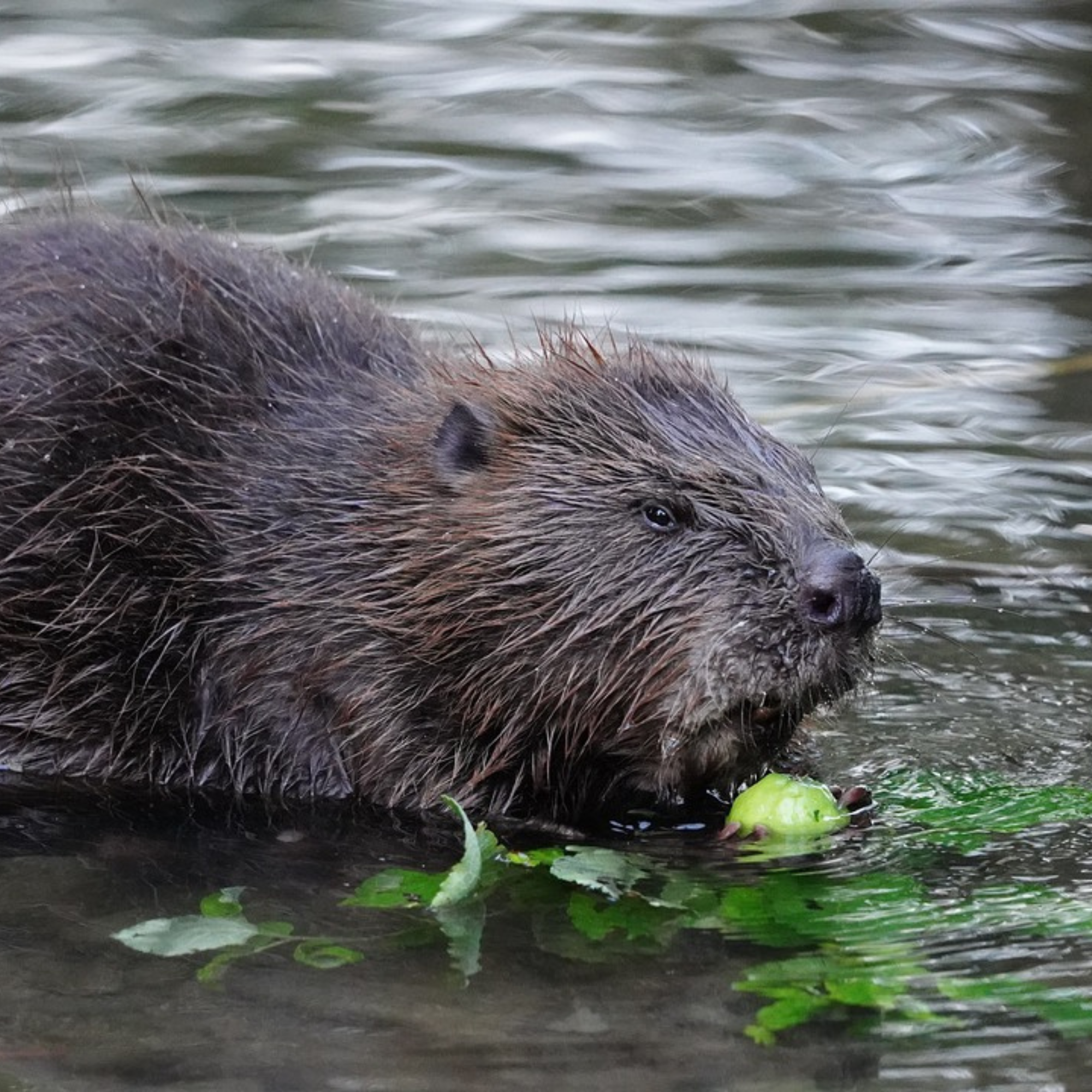 1 beaver enclosure created at Amelia Trust Farm